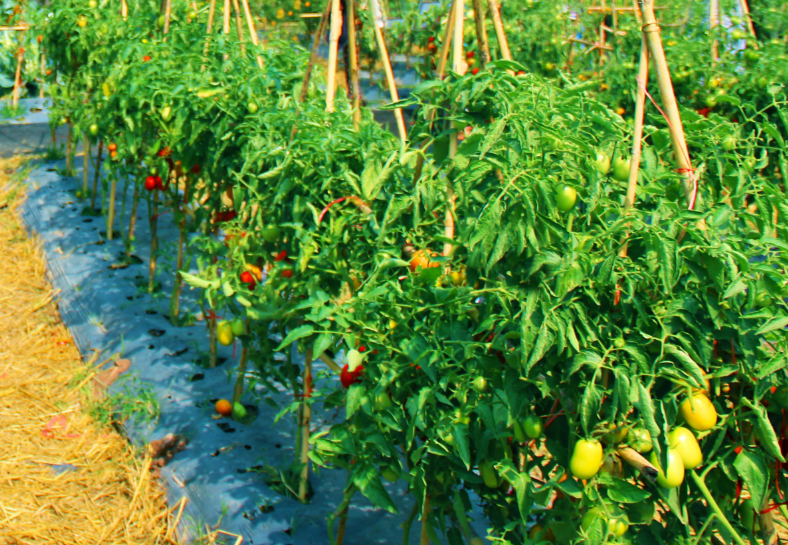
Organic Eco Farming

Organic Agriculture Rooted in Nature

We focus on organic farming practices that respect natural ecosystems while producing high-quality agricultural output. Our approach prioritizes soil vitality, biodiversity, and long-term land productivity rather than short-term yield maximization. By eliminating synthetic chemicals and embracing natural cycles, we help landowners cultivate resilient farms that thrive under challenging climatic conditions.

Organic farming is not only about food production; it is a holistic system that connects soil health, water efficiency, and ecological balance. Our methods support sustainable harvests, improve land structure, and create healthier environments for both people and wildlife.
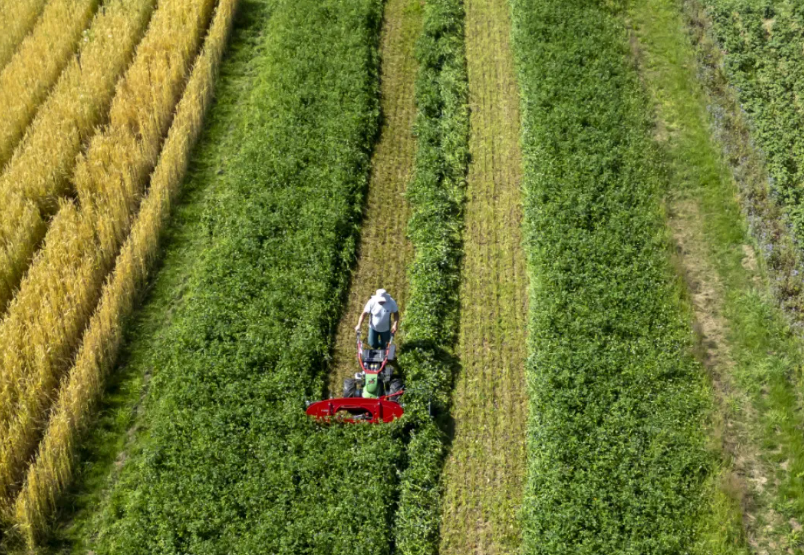
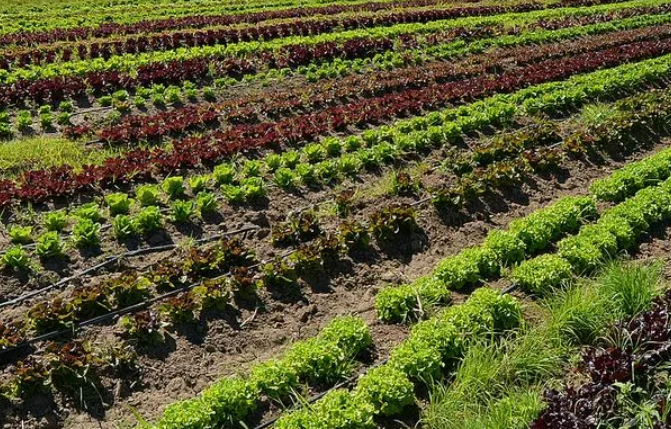
Organic farm fields
Soil cultivation and planting

Healthy soil is the foundation of every sustainable harvest.

Our Philosophy and Farming Ethics

Our work is grounded in the belief that agriculture should enhance the land rather than exhaust it. We apply organic farming principles that restore soil structure, increase microbial activity, and promote natural nutrient cycles. This approach results in fertile ground capable of supporting crops year after year without chemical dependency.

We carefully observe local climate patterns, water availability, and soil composition before implementing farming strategies. Crop selection, planting schedules, and irrigation methods are adjusted to work with natural conditions rather than against them. This minimizes resource waste and improves overall resilience.

Through continuous monitoring and adaptive management, we ensure that farming operations remain productive while preserving ecological integrity. Our goal is to create agricultural systems that are both economically viable and environmentally responsible.

Benefits of Organic Farming

Soil Regeneration

Organic practices rebuild soil structure and increase organic matter, improving water retention, aeration, and nutrient availability over time.

Chemical-Free Production

Eliminating synthetic fertilizers and pesticides reduces contamination risks and supports healthier ecosystems.

Biodiversity Support

Diverse crop systems encourage beneficial insects, microorganisms, and wildlife that strengthen natural balance.

Water Efficiency

Improved soil health enhances water absorption and reduces evaporation, lowering irrigation demand.

Climate Resilience

Organic systems are better equipped to withstand temperature extremes and irregular rainfall.

Long-Term Productivity

By nurturing the land, organic farming ensures consistent yields without degrading natural resources.

Healthy organic crops

Our Organic Farming Services

Soil Health Assessment

Comprehensive analysis of soil composition, structure, and biological activity to determine nutrient balance and improvement strategies.

Organic Crop Planning

Selection of crop varieties and rotation plans designed to maintain soil fertility and reduce pest pressure naturally.

Natural Fertilization Methods

Implementation of composting, green manure, and organic amendments to enrich soil without synthetic inputs.

Eco-Friendly Pest Management

Use of biological controls and preventive techniques to manage pests while preserving beneficial organisms.

Water & Irrigation Optimization

Design of efficient irrigation systems that minimize waste and align with organic farming principles.

Consultation & Farm Support

Ongoing guidance and monitoring to ensure farming practices remain sustainable, productive, and adaptable.

Sustainable farming landscape